
Everything About Fissure: Cause, Types, Symptoms, Precautions & treatments- A Complete Factual Guide
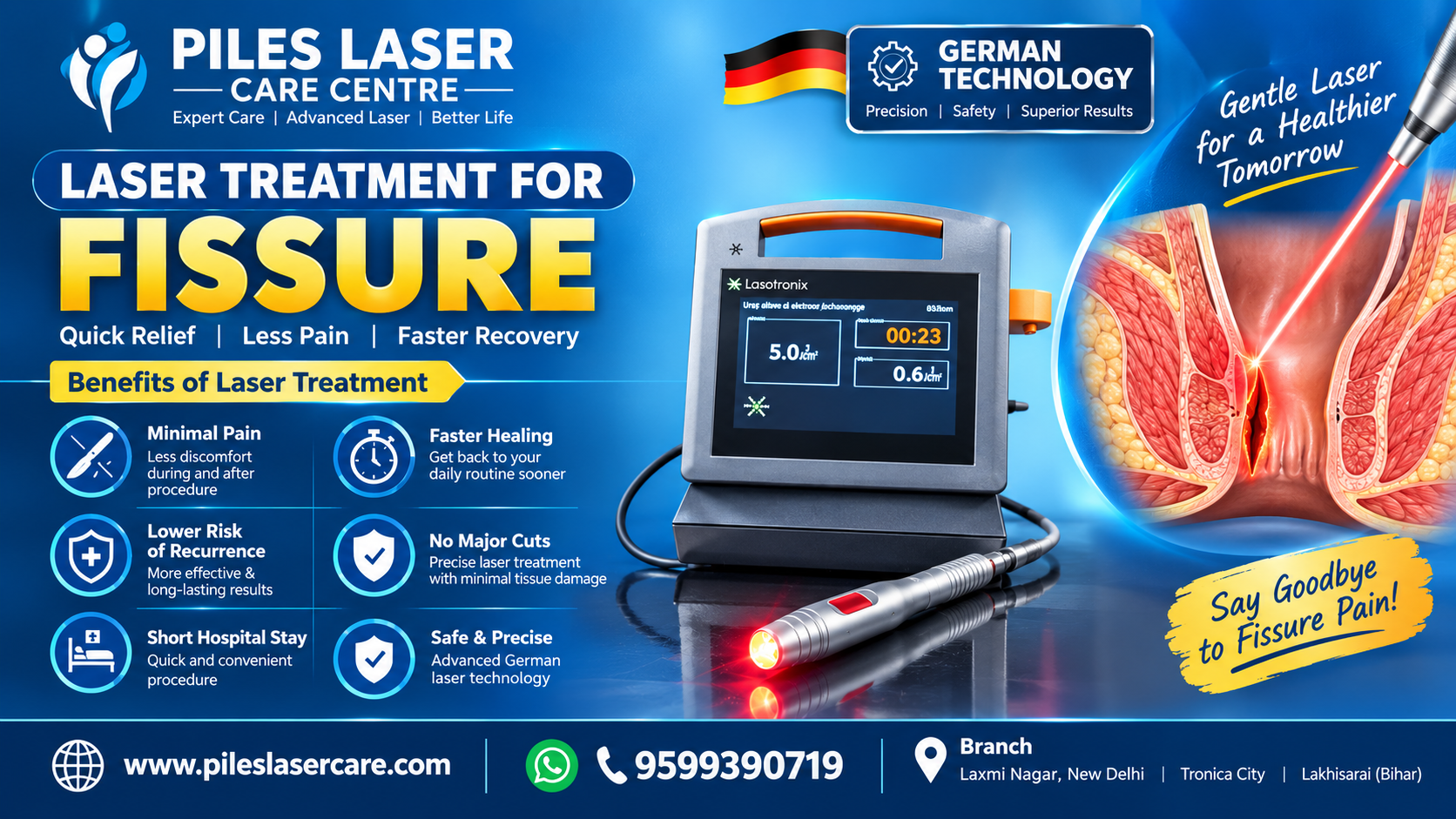
Best Piles, fissure, fistula Clinic in Delhi/NCR, Tronicacity, Ghaziabad and Lakhisarai, bihar
Anal Fissure: Causes, Symptoms, Diagnosis, Treatment & Prevention
An anal fissure is a small tear or crack in the lining of the anal canal, usually near the opening of the anus. It can cause significant pain, particularly during and after passing stool, and may also cause a small amount of bright-red bleeding.
Anal fissure is a common anorectal condition. Many acute fissures improve with appropriate conservative measures, especially when constipation or hard stools are addressed. However, fissures that persist, recur frequently, or become chronic may require medical treatment or a procedure.
This article explains the causes, symptoms, diagnosis, treatment options and prevention of anal fissure in a simple and factual manner.
What Is an Anal Fissure ?
An anal fissure is a linear tear in the skin or lining of the anal canal.
The tear may occur when the anal canal is subjected to excessive stretching or trauma, commonly during the passage of hard or large stools. Repeated irritation can prevent the fissure from healing.
Pain may also cause the internal anal sphincter muscle to go into spasm. Increased sphincter tension can contribute to reduced blood flow in the affected area and may make healing more difficult, particularly in chronic fissures.
Anal fissures are different from piles (haemorrhoids), although both conditions can cause bleeding or discomfort around the anus.
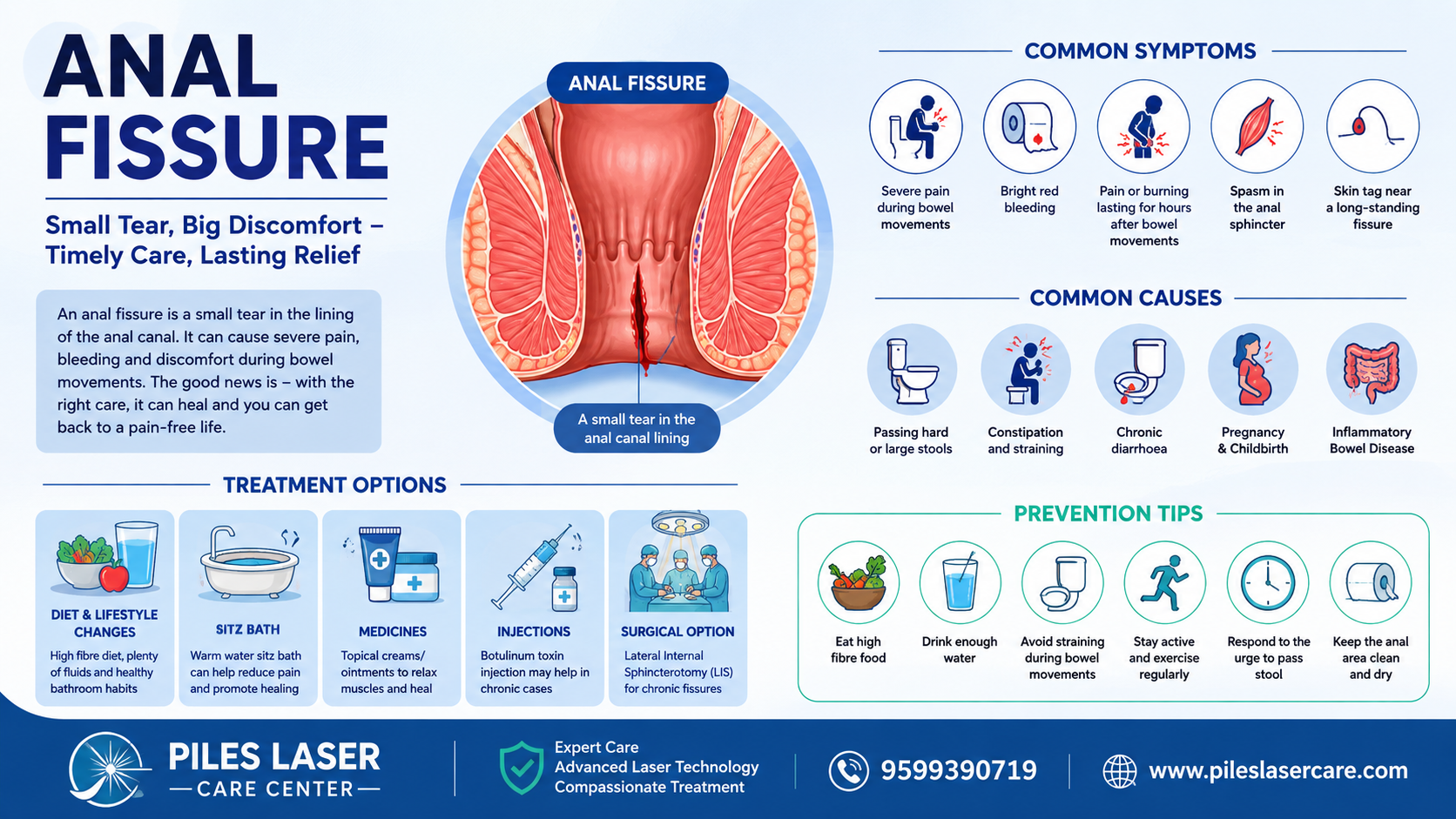
Common Causes of Anal Fissure
Anal fissures can develop for several reasons. Common contributing factors include:
1. Constipation
Hard, dry or large stools can stretch and injure the anal canal while passing through it.
2. Straining During Bowel Movements
Repeated or excessive straining can increase pressure on the anal canal and contribute to the development of a fissure.
3. Frequent Diarrhoea
Repeated loose stools can irritate the anal canal and may also contribute to fissure formation.
4. Pregnancy and Childbirth
Changes associated with pregnancy and vaginal childbirth can increase the risk of anal fissure in some women.
5. Inflammatory Bowel Disease
Conditions such as Crohn's disease and ulcerative colitis may be associated with anal fissures.
6. Less Common Causes
Some fissures are associated with infections, inflammatory conditions or other medical disorders. A fissure that is unusually located, multiple, recurrent or difficult to heal may require further medical evaluation.
Symptoms of Anal Fissure
The symptoms of an anal fissure can be characteristic.
Common symptoms include:
- Sharp or severe pain during bowel movements
- Burning or stinging pain after passing stool
- Pain that may continue for minutes or several hours
- Bright-red blood on toilet paper or on the surface of the stool
- A small visible tear near the anal opening
- Anal discomfort or irritation
- Spasm or tightness of the anal muscles
- A small skin tag near a long-standing fissure
The combination of sharp pain during defecation followed by burning pain and a small amount of bright-red bleeding is commonly associated with anal fissure.
However, rectal bleeding should not automatically be assumed to be caused by a fissure because other conditions can also cause bleeding.
Acute Anal Fissure vs Chronic Anal Fissure
Anal fissures are commonly described according to their duration and clinical characteristics.
Acute Anal Fissure
An acute fissure is generally considered one in which symptoms have been present for less than approximately six weeks.
Acute fissures often have a relatively recent tear and may heal with conservative treatment.
Chronic Anal Fissure
A fissure that persists for a longer period may become chronic.
A chronic fissure may show features such as:
- A sentinel skin tag
- A hypertrophied anal papilla
- Exposure of the internal sphincter muscle
- Persistent or recurrent symptoms
Chronic fissures may be more difficult to heal and sometimes require medical or procedural treatment.
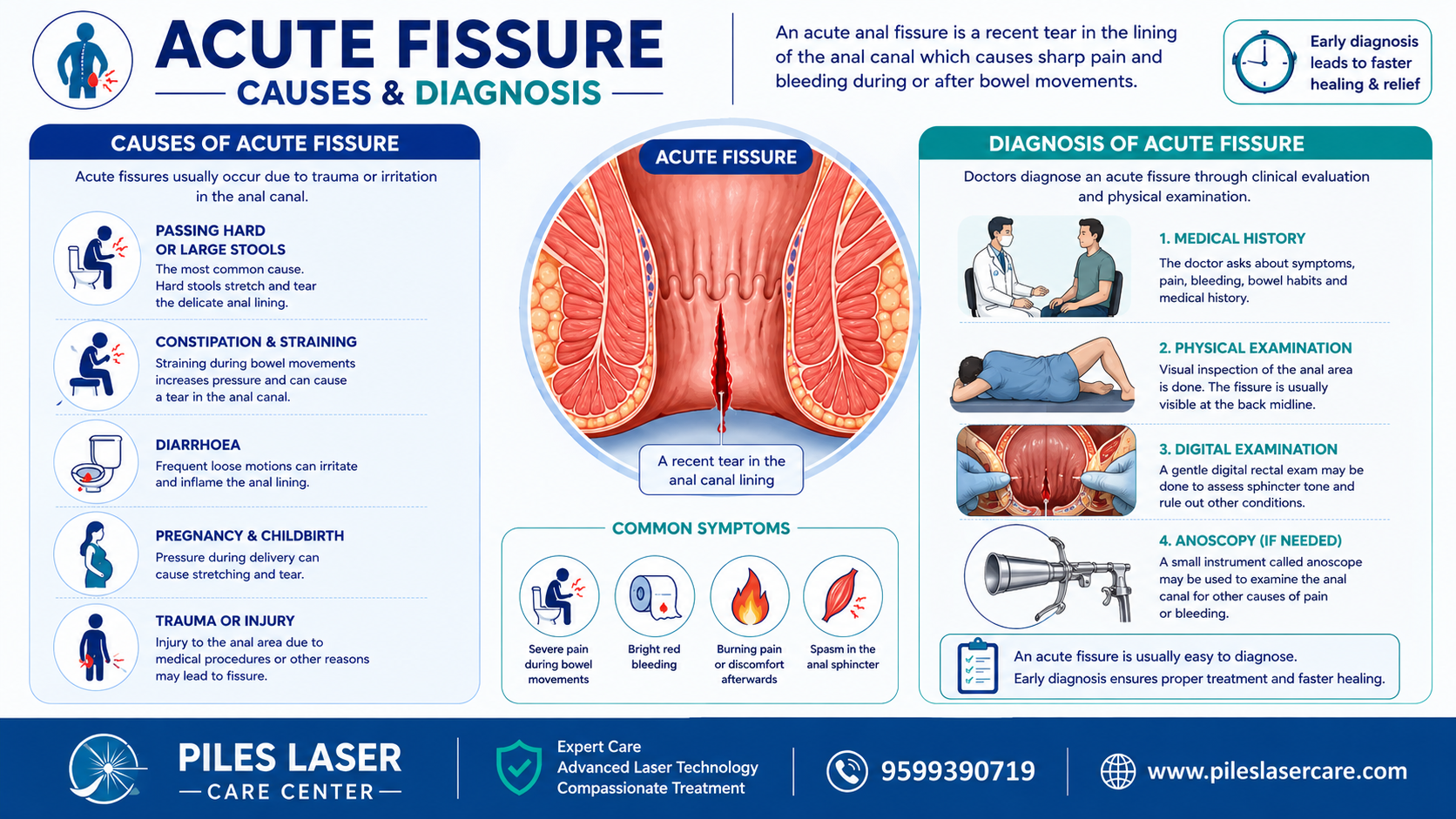
How Is Anal Fissure Diagnosed ?
Diagnosis usually begins with a detailed medical history and examination.
A doctor may ask about:
- Pain during bowel movements
- Duration of symptoms
- Constipation or diarrhoea
- Bleeding
- Previous episodes of fissure
- Bowel habits
- Other gastrointestinal symptoms
- Previous treatments
A visual inspection of the anal area can often identify a fissure.
Because an anal fissure can be painful, a complete examination may not always be possible in the clinic, particularly when there is significant sphincter spasm or pain.
In selected cases, further examination or examination under anaesthesia may be considered when the diagnosis is uncertain or another condition needs to be excluded.
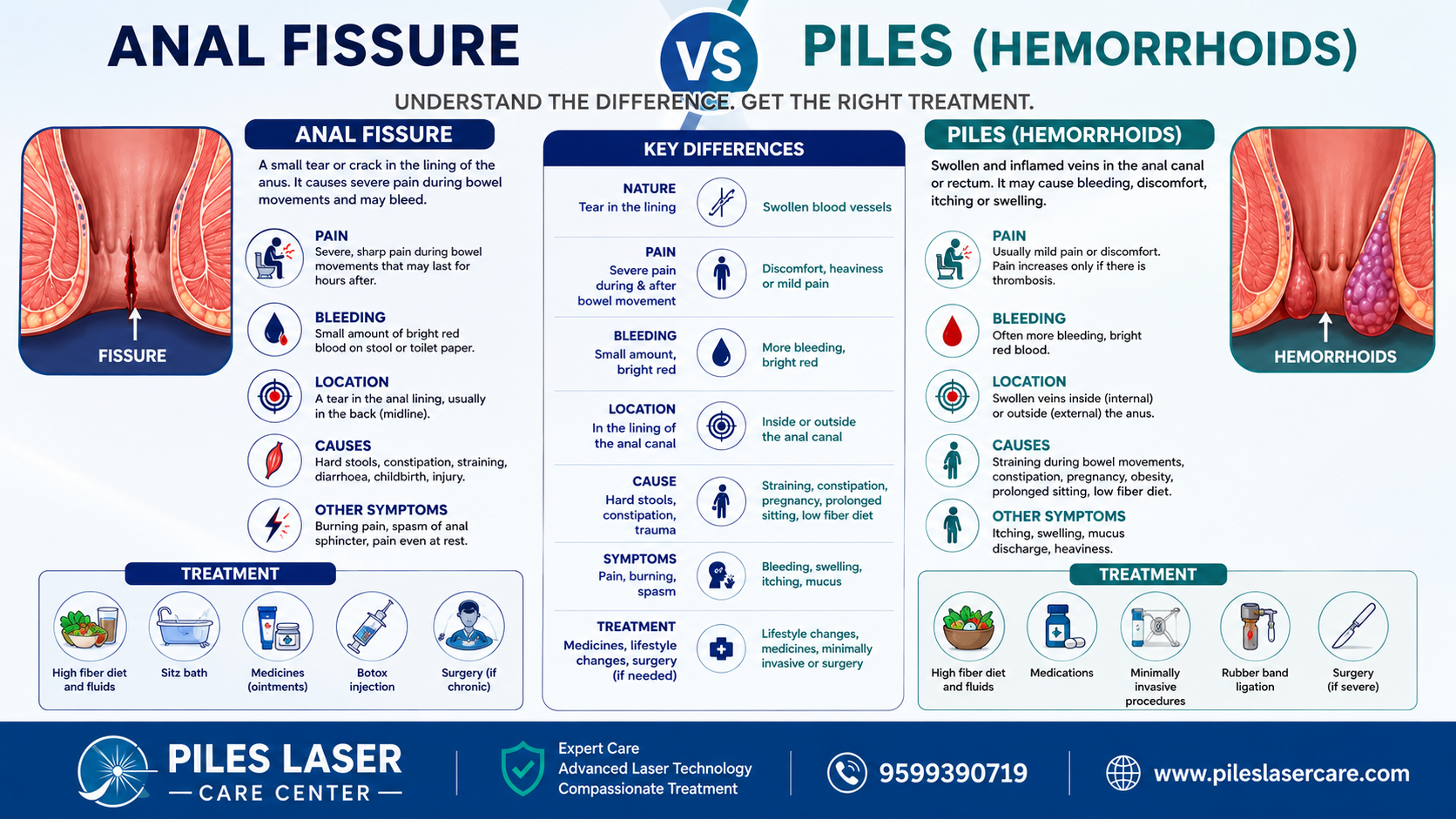
Anal Fissure vs Piles
Anal fissure and piles are different conditions.
Anal Fissure
- A tear or crack in the anal canal
- Pain during or after bowel movement is often prominent
- Bright-red bleeding may occur
- Burning pain may continue after defecation
Piles (Haemorrhoids)
- Enlarged or swollen blood vessels/tissues in the anal canal
- Internal haemorrhoids commonly cause painless bright-red bleeding
- Prolapsed haemorrhoids may cause discomfort or a protruding mass
- External haemorrhoids may cause a painful lump, particularly when thrombosed
Because symptoms can overlap, persistent anal pain or rectal bleeding should be evaluated by a qualified healthcare professional rather than diagnosed solely on symptoms.
Treatment of Anal Fissure
Treatment depends on whether the fissure is acute or chronic, the severity of symptoms, previous treatment, and the patient's individual circumstances.
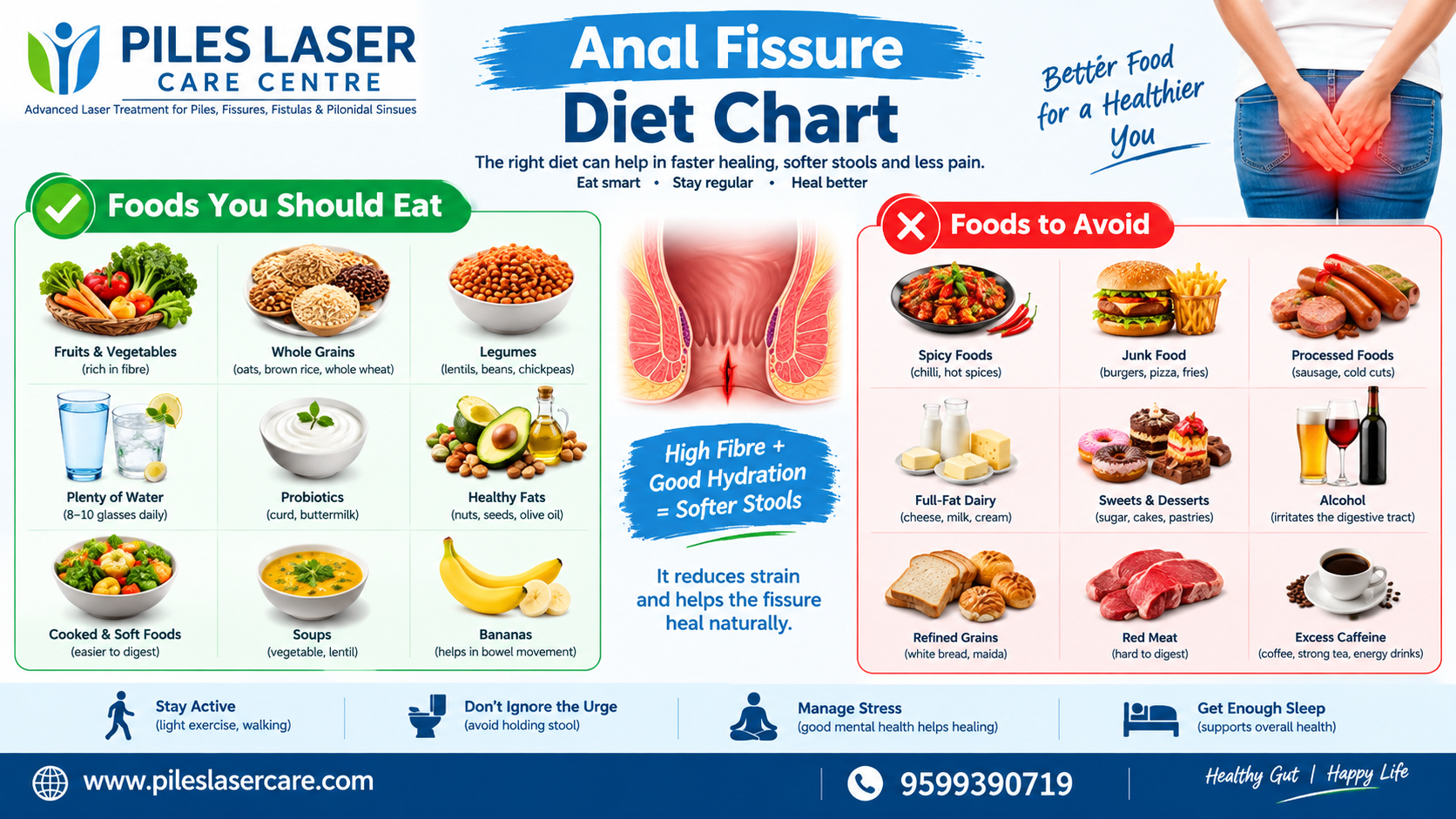
1. Dietary Fibre
Increasing dietary fibre can help produce softer stools and reduce the need for straining.
Good sources of fibre include:
- Fruits
- Vegetables
- Whole grains
- Oats
- Beans and legumes
- Other high-fibre foods
Fibre should generally be increased gradually, especially in people who are not accustomed to a high-fibre diet.
2. Adequate Fluid Intake
Drinking adequate fluids can support softer stools, particularly when increasing fibre intake.
Individual fluid requirements vary depending on factors such as body size, activity, climate and medical conditions.
3. Stool-Softening Treatment
When constipation is contributing to a fissure, a doctor may recommend a stool softener or laxative.
The objective is to make bowel movements easier and reduce trauma to the fissure.
4. Warm Sitz Baths
A warm shallow bath or sitz bath can help relax the anal muscles and provide symptomatic relief.
It may be particularly useful after bowel movements.
5. Pain Relief
Appropriate pain-relieving medicines may be recommended depending on the individual patient's circumstances.
A doctor or pharmacist can advise which medication is appropriate, particularly for people who have other medical conditions or take other medicines.
Prescription Topical Treatment
When a fissure does not heal adequately with basic measures, prescription topical medicines may be considered.
Topical Nitrates
Glyceryl trinitrate (GTN) can relax the internal anal sphincter and may promote healing.
Headache is a well-recognised adverse effect and may limit its use in some patients.
Calcium Channel Blockers
Topical medicines such as diltiazem may also reduce internal sphincter pressure and promote healing.
Clinical guidelines consider topical calcium-channel blockers to have similar efficacy to topical nitrates, with fewer side effects in many patients.
The exact medicine, dose and duration should be determined by a healthcare professional.
Botulinum Toxin Injection
Botulinum toxin can be injected into the internal anal sphincter to temporarily reduce muscle spasm.
It may be considered for some chronic fissures, particularly when topical treatment has not provided sufficient improvement or when surgery is not preferred or appropriate.
The effect is temporary, and treatment does not guarantee permanent healing.
Surgical Treatment: Lateral Internal Sphincterotomy
For selected patients with chronic anal fissure, lateral internal sphincterotomy may be considered.
The procedure involves dividing a controlled portion of the internal anal sphincter to reduce excessive muscle tension.
Reducing sphincter pressure can allow the fissure to heal.
Lateral internal sphincterotomy can be highly effective, but it is not appropriate for every patient.
Because the anal sphincter contributes to bowel-control function, possible changes in control of gas or stool must be discussed before surgery.
The decision should be individualized after assessment by an appropriately trained colorectal or anorectal surgeon.
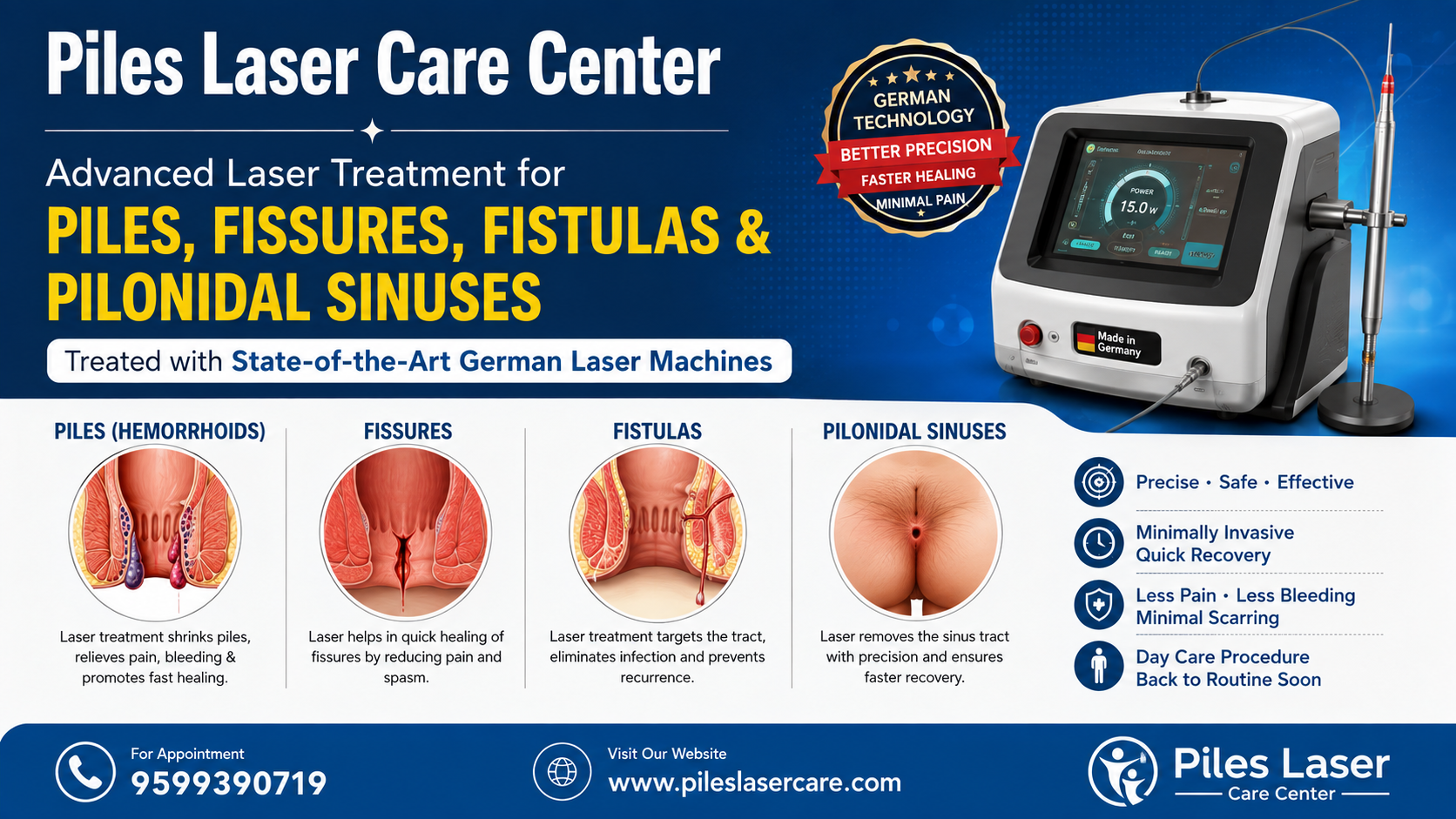
What About Laser Treatment for Anal Fissure ?
Patients sometimes ask whether an anal fissure can be treated with laser.
Laser-based techniques are offered by some centres for selected anorectal conditions, but treatment should not be presented as automatically appropriate for every anal fissure.
The most appropriate treatment depends on the type and duration of the fissure, symptoms, sphincter function, previous treatment and the patient's overall clinical condition.
A proper examination should therefore be performed before deciding whether any procedure—including a laser-based procedure—is appropriate.
Can an Anal Fissure Heal Without Surgery ?
Yes.
Many acute anal fissures improve with conservative treatment.
Important measures include:
- Keeping stools soft
- Avoiding excessive straining
- Eating adequate fibre
- Maintaining appropriate fluid intake
- Managing constipation
- Taking warm baths for symptom relief
- Following prescribed treatment when required
If the fissure persists or repeatedly returns, medical evaluation is important because chronic fissures may require additional treatment.
How Can Anal Fissure Be Prevented ?
There is no guaranteed way to prevent every fissure, but several measures may reduce the risk.
Maintain Soft Stools
A fibre-rich diet and adequate fluid intake can help prevent hard stools.
Avoid Excessive Straining
Do not repeatedly force bowel movements.
Do Not Ignore the Urge to Pass Stool
Delaying bowel movements can contribute to constipation in some people.
Maintain Regular Physical Activity
Regular activity can support healthy bowel function.
Manage Diarrhoea
Persistent diarrhoea should also be addressed because repeated loose stools can irritate the anal canal.
Maintain Gentle Hygiene
Keep the anal area clean without excessive rubbing or use of irritating products.
When Should You See a Doctor ?
Medical evaluation is advisable when:
- Anal pain is severe
- Pain persists or becomes worse
- Bleeding continues or recurs
- Symptoms do not improve with basic measures
- The fissure repeatedly returns
- There is a lump, discharge or swelling
- You have unexplained changes in bowel habits
- You have symptoms suggestive of inflammatory bowel disease
- You are uncertain whether the symptoms are due to fissure, piles or another condition
Rectal bleeding should not automatically be attributed to piles or fissure because other gastrointestinal conditions can also cause bleeding.
When Is Urgent Medical Attention Needed ?
Seek urgent medical assessment if anal pain is accompanied by:
- Fever
- Significant swelling
- Pus or infected discharge
- Severe or rapidly worsening pain
- Heavy or continuous rectal bleeding
- Black or very dark stools
- Dizziness, fainting or weakness associated with significant bleeding
These symptoms may indicate a condition requiring prompt evaluation.
Frequently Asked Questions
1. Is an anal fissure dangerous?
Most anal fissures are not dangerous and many acute fissures heal with appropriate treatment. However, persistent symptoms, recurrent fissures or significant bleeding should be evaluated by a doctor.
2. Does every fissure require surgery?
No. Many acute fissures are initially treated without surgery.
3. Why does an anal fissure hurt so much?
The anal canal contains sensitive nerves, and the internal sphincter can go into spasm after a fissure develops. This can contribute to significant pain.
4. Is bright-red blood always caused by an anal fissure ?
No. Bright-red rectal bleeding can have several causes. A healthcare professional should evaluate unexplained or persistent bleeding.
5. Can constipation cause an anal fissure ?
Yes. Hard or large stools and straining are common factors associated with anal fissures.
6. Can diarrhoea cause an anal fissure ?
Frequent diarrhoea can irritate and traumatize the anal canal and may contribute to fissure formation.
7. What is a chronic anal fissure ?
A chronic fissure is a persistent fissure that may develop characteristic features such as a sentinel skin tag or hypertrophied anal papilla.
8. Can an anal fissure come back ?
Yes. Recurrence can occur, particularly when constipation, diarrhoea or other underlying contributing factors persist.
9. Is an anal fissure the same as piles?
No. An anal fissure is a tear in the anal canal, whereas haemorrhoids are enlarged/swollen vascular tissues around the anus and lower rectum.
10. Should I ignore a small amount of blood?
No. Even though a small amount of bright-red bleeding can occur with an anal fissure, persistent or unexplained rectal bleeding should be medically evaluated.
Conclusion
Anal fissure is a common anorectal condition that can cause considerable pain and bright-red bleeding during or after bowel movements.
Many acute fissures improve with conservative measures such as maintaining soft stools, increasing appropriate dietary fibre, avoiding excessive straining and using warm baths for symptom relief.
When symptoms persist, recur or become chronic, medical treatment such as topical medication, botulinum toxin or an appropriate surgical procedure may be considered depending on the individual case.
Correct diagnosis is important because anal fissure, piles, fistula, abscess and other conditions can produce overlapping symptoms.
If you are experiencing persistent anal pain or rectal bleeding, consult a qualified medical professional for an appropriate examination and diagnosis rather than self-diagnosing the condition.
Medical Disclaimer
This article is intended for general educational and awareness purposes only. It does not replace consultation, examination or treatment by a qualified healthcare professional. Treatment should be selected according to the individual patient's symptoms, diagnosis, medical history and clinical examination.
Piles Laser Care Centre provides information for patient awareness and education. Patients should consult a qualified doctor before starting, changing or stopping any treatment.
Website: www.pileslasercare.com

Have these symptoms? Get checked early.
Book a private consultation with Dr. Amar Kumar at your nearest centre.
Book appointment